The short answer: plan for at least 3 full days in the Samburu ecosystem. Two days is enough for a quick taste, but it forces hard choices. Four to five days is better if you want relaxed game drives, cultural visits, and time to chase the rare species this region is known for.
Most first-time safari planners ask how many days do you need in Samburu because the reserve is smaller than the Masai Mara, but it is not a one-day stop. The landscape, the wildlife, and the travel time all push toward a longer stay than the typical “quick stop” itinerary suggests.
Samburu is a dry, dramatic country of acacia scrub and red earth, cut by the Ewaso Ngiro River. The river is the lifeblood of the reserve in dry months. That is where you will find elephants, crocodiles, and most of the big game, often in dense concentrations. Away from the river, the wildlife spreads out.
What Can You Realistically See in a Day?
A full day in Samburu usually means two game drives: one early morning and one late afternoon. Each drive lasts 3 to 4 hours. The midday heat drives most animals into shade, which makes a midday drive lower value.
On a typical day, you can expect to see:
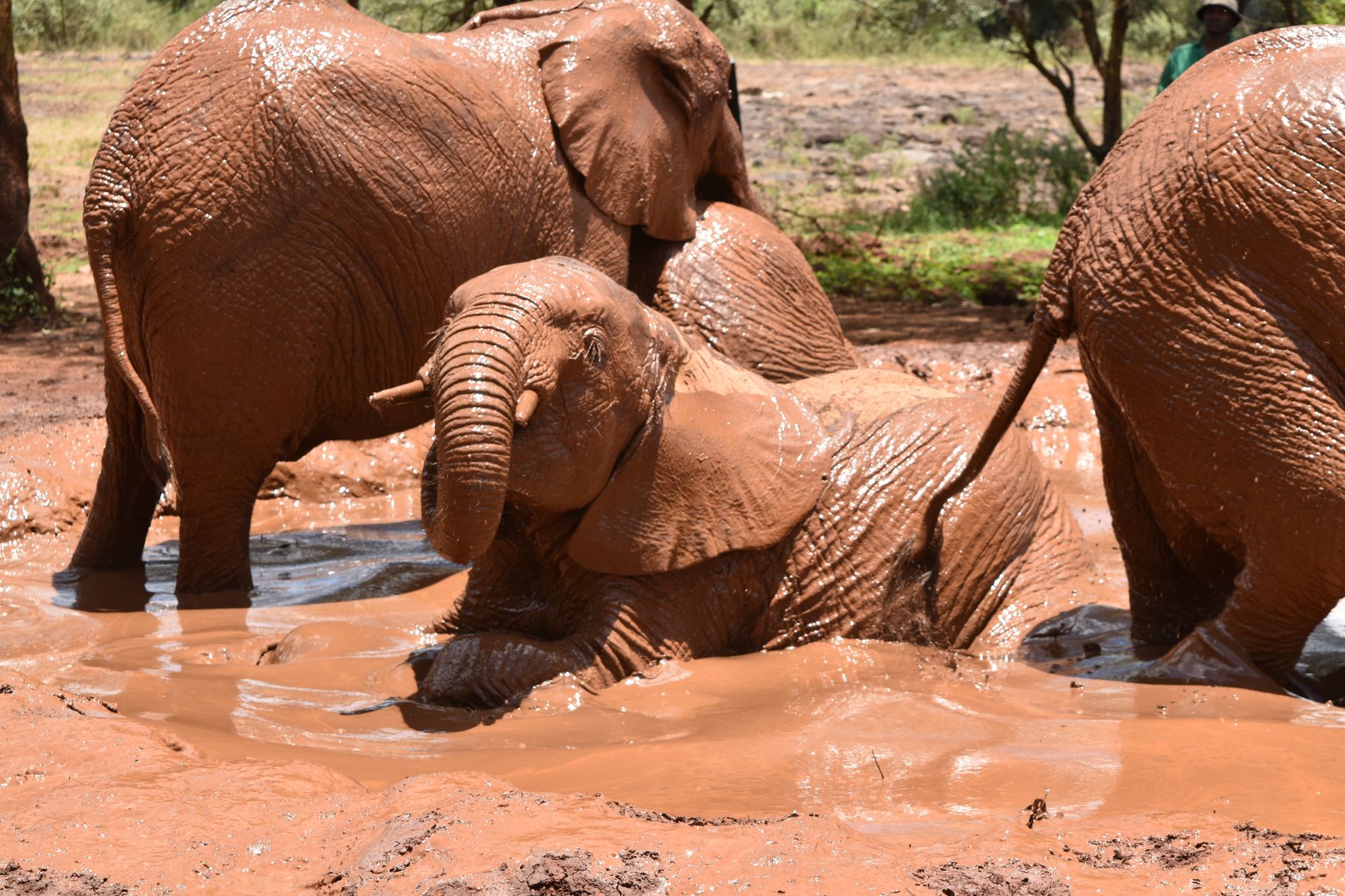
- Elephants, often in large family groups along the river
- Plains game like zebra, giraffe, and oryx
- Lions and leopards, though both require patience
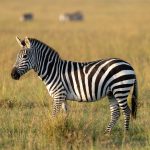
- The Samburu Special Five: Grevy’s zebra, reticulated giraffe, Somali ostrich, Beisa oryx, and the long-necked gerenuk
The Special Five are the reason many visitors come. They are not “special” in the sense of rare to Africa overall. They are special to this arid northern ecosystem. You can see all five in one day if you stay near the river and its dry tributaries. But you should not count on it. Some species, especially the gerenuk, are easier to spot on foot or from high vehicles in the bush.
A single day gives you one full cycle of drives. It is doable, but you will spend as much time driving between sightings as you do watching. For a relaxed pace, 3 days means you can revisit spots, follow a leopard sighting for an hour, and still have time for a village visit.
Is 2 Days Enough for Samburu?
Two days is enough if you have a specific goal: see the Special Five, spend one full day on the river, or add a short cultural stop. As a stand-alone safari, it feels rushed.
Here is the real trade-off. A two-day stay usually means arriving on day one and leaving on the morning of day three. That gives you one arrival drive, one full day, and one departure drive. That is roughly 3 to 4 game drives total.
What you miss with 2 days:
- Time to explore Buffalo Springs or Shaba reserves, which are adjacent and share the same ecosystem
- A night drive (not allowed in the main reserve, but some private conservancies offer it)
- The chance to wait for a leopard along the river. Leopards here are visible but not guaranteed. They often hunt in the last hour of light.
If you are combining Samburu with a longer Kenya itinerary, 2 days is a reasonable add-on. If Samburu is your only safari, plan for 3 days minimum.
Should You Spend 4 or 5 Days in Samburu?
Yes, if any of these apply to you:
- You are a photographer. The light in Samburu is exceptional in the dry season, and the river banks give you close, eye-level views of elephants and crocodiles. A 4 to 5 day stay lets you wait for golden hour and return to the same spots.
- You want to visit the community conservancies. Westgate, Kalama, and Namunyak are adjacent to the reserve and hold some of the most interesting wildlife, including wild dogs in some years. They also offer walking safaris. Access usually requires a guide from a lodge or camp, not a self-drive.
- You want a slower pace. Instead of two drives a day, you can take a long morning drive, return for lunch and a swim, then go out again at 4 pm. That is hard to do in 2 days.
Five days is not too many. The area offers more than the main reserve. Buffalo Springs is known for its spring-fed pools and large elephant herds. Shaba has a more rugged landscape and is less visited. Birders will find an estimated 350 or more species in the combined ecosystem.
How Does the Dry and Wet Season Change Your Plan?
The answer to how long you need shifts with the season.
In the dry season, roughly June to October, the Ewaso Ngiro River shrinks. Wildlife concentrates along its banks and the remaining pools. Game drives are more productive because animals are easier to predict. You can see a lot in 2 days.
In the wet season, roughly November to May, the river rises and the bush turns green. Wildlife spreads out. The reserve is quieter and greener, but sightings are more scattered. Plan extra time: 4 days in the wet season will often match what 3 days give you in the dry season.
A dry-season risk is crowds. Samburu has become more popular with Kenyan residents and international travelers in the July to October window. Peak lodges fill up. Game drive vehicles can gather at big sightings, though it is never as busy as the Mara.
The green season also brings closures. Some tracks become impassable after heavy rain. The airstrip can close briefly. Check with your operator before booking a short stay in April or May.
How Does Travel Time to Samburu Affect Your Day Count?
Getting to Samburu takes longer than most visitors expect. The reserve is about 350 kilometers north of Nairobi. By road, that is a 5 to 6 hour drive on good days, longer if the road is wet or you stop for lunch and toilet breaks.
Road travel does not have to count as a lost day, but it does affect your itinerary. If you drive up on day one, you usually arrive by early afternoon. You can still do a late game drive. On your final day, you need to leave by mid-morning to reach Nairobi before dark. That means your last game drive is a short one.
Flying changes the math. Several daily scheduled flights from Nairobi’s Wilson Airport land at the Samburu or Kalama airstrips. Flight time is about 1 hour and 15 minutes. If you fly, a 2-day stay is far more workable, because you gain a full afternoon and a full morning on the ground.
| Travel option | Time from Nairobi | Best for |
|---|---|---|
| Road transfer | 5 to 6 hours | Budget trips, scenic stops, self-drive |
| Scheduled flight | 1 hour 15 minutes | Short stays, photographers, families |
| Charter flight | 1 hour 15 minutes | Groups, flexible timing |
My honest advice: if you only have 2 days, fly. The road time eats into your wildlife hours.
Can You Combine Samburu With the Masai Mara?
Yes, and many first-time visitors do. The common route is Samburu first, then fly or drive south to the Mara. But this combination needs more days than you think, because the two areas are not close.
Samburu is in the north. The Masai Mara is in the southwest. Overland travel between them takes a full day, roughly 7 to 8 hours on good roads. Flying between them involves a connection through Nairobi or a direct charter. It is not a quick hop.
The standard combined itinerary is 6 to 8 days total:
- 2 to 3 days in Samburu
- 1 travel day
- 3 to 4 days in the Masai Mara
If you want to see the wildebeest migration in the Mara, time it for July to October. That is also peak season in Samburu. You will need to book lodges far in advance.
For a shorter version, combine Samburu with the Laikipia Plateau or Ol Pejeta Conservancy, which lie on the road between Nairobi and Samburu. That route is easier and adds rhino viewing. See our Kenya safari cost guide for how these combinations change your budget.
How Should You Split Days Between Samburu and Buffalo Springs?
Samburu National Reserve and Buffalo Springs National Reserve share a border and the same ecosystem. There is no fence between them. The Ewaso Ngiro River forms part of the boundary.
Most visitors stay in Samburu and do a day trip into Buffalo Springs. That works well. For a 3 day stay, allocate one full day to Buffalo Springs and the rest to Samburu.
Buffalo Springs has fewer vehicles and a slightly different feel. Its springs attract elephants in large numbers, especially late in the dry season. Shaba, further east, is even wilder and seldom crowded. If you have 4 days, add a morning in Shaba.
The key point: the “Samburu” experience is really a multi-reserve region. Stay in one place, but plan your drives across all three reserves. That gives you more variety without adding travel days.
Where Should You Stay and How Does That Affect Days?
Lodge location affects how much wildlife time you get. Some camps sit inside the reserve, others on the private conservancies outside it.
Reserve lodges: you wake up already in the wildlife area. Game drives can start at dawn. These are the most efficient for a short stay.
Conservancy camps: they are quieter and often offer walking safaris, but they require a transfer to the main reserve for some drives. A 20 to 30 minute drive each way cuts into your morning.
For a 2 day trip, choose a camp inside the reserve. For a 4 day trip, a conservancy camp adds value with walks and less vehicle traffic.
Budget also matters. Higher-end camps include full board and often two daily drives. Budget lodges may charge for drives separately. On a tight budget, longer stays can feel expensive. On a photographic safari, the extra days are worth the cost.
What Is the Best Time of Year for a Longer Samburu Stay?
The dry season from June to October gives the best wildlife viewing. The river is low, animals are concentrated, and the skies are clear. This is also the busiest and most expensive time.
The green season from November to March has greener scenery and fewer crowds. The wildlife is still present, but more spread out. Some roads get muddy in April and May.
For a longer stay of 4 to 5 days, the best months are September and October. The dry season has been running long enough that the river is low, but the peak July and August crowds have thinned. Temperatures are warm, not scorching.
For birders, the wet season from November to April brings migratory species. You will need more days to rack up a good list, because the birds are scattered.
How Many Days Do You Need in Samburu, With Sample Itineraries for 2, 3, and 5 Days?
2 days (fly in, fly out)
- Day 1: Landing by 11 am. Lunch at camp. Afternoon game drive along the river.
- Day 2: Early morning drive. Midday flight back to Nairobi.
3 days (road transfer)
- Day 1: Drive from Nairobi. Arrive by 1 pm. Afternoon drive.
- Day 2: Full day in Samburu and Buffalo Springs.
- Day 3: Morning drive, then drive back to Nairobi.
5 days (photography or slow pace)
- Day 1: Fly or drive. Easy arrival and sunset drive.
- Day 2: Full day in Samburu, focusing on the Special Five.
- Day 3: Morning in Buffalo Springs, afternoon at the river.
- Day 4: Walking safari in a conservancy, plus a night drive if available.
- Day 5: Final morning drive, then transfer out.
If you are planning a larger Kenya circuit, check our guide to how many days you need in the Masai Mara and our complete guide to the Masai Mara. That will help you balance the two destinations.
How Much Does a Samburu Safari Cost Per Day?
Costs vary widely, but here are indicative ranges based on typical 2026 rates.
| Nights | Lodge tier | Indicative per person per night |
|---|---|---|
| 2 nights | Budget camp | $180 to $250 |
| 2 nights | Mid-range lodge | $300 to $450 |
| 2 nights | Luxury camp | $600 to $1,000 |
| 4 nights | All tiers | Same per night, but longer stays sometimes earn a discount |
Flights from Nairobi add roughly $250 to $350 round trip. Park entry fees apply separately, see the table below.
What Are the Current Entry Fees for Samburu?
Entry fees change, so always confirm with your operator. The following are commonly cited ranges for 2026.
| Visitor type | Daily rate (indicative) |
|---|---|
| Kenyan citizen or resident | KSh 500 to 1,000 |
| East African resident | KSh 500 to 1,000 |
| Non-resident adult | $70 to $90 |
| Non-resident child | $35 to $45 |
Vehicle fees apply for self-drive. If you book a package, these fees are usually included, but ask to be sure.
Is Samburu Worth Visiting?
Yes, for the Special Five alone it is worth a dedicated stop. It is also a strong choice for seeing elephants in a dramatic, dry landscape. The photography is excellent, and the camps are smaller and more personal than in the Mara.
The main caveat is season. In the wet months, the experience is softer. In the dry season, it can be busy. A 3 day visit in the dry season is the sweet spot for most travelers.
If you need help comparing operators, browse packages from FindMySafari, Valley Safaris, or Trunktrails Safaris. They offer a range of itineraries that include Samburu, and you can compare prices and inclusions side by side.
Where Can You Find More Safari Planning Resources?
- Samburu National Reserve guide from Trunktrails Safaris
- Map of Samburu from Valley Safaris
- Samburu destination guide on FindMySafari
- Nairobi to Maasai Mara route guide from Valley Safaris